Insider tips avoiding wilt and delays in Palmers Green bouquets
Posted on 11/10/2026
If you have ever ordered flowers for someone in Palmers Green and worried they might arrive a little tired, a little late, or both, you are not alone. Fresh bouquets can be wonderfully simple in theory, but in real life there are a few moving parts: timing, weather, traffic, hydration, packaging, and how the flowers are handled before they reach the vase. The good news? Most wilt and delay problems are avoidable with the right approach.
In this guide, we break down insider tips avoiding wilt and delays in Palmers Green bouquets in a way that is practical, local, and properly useful. You will learn what actually causes flowers to deteriorate, how to reduce risk when ordering, what to ask before checkout, and how to protect freshness once the bouquet is on its way. There are also a few real-world checks and habits that make a bigger difference than people expect. To be fair, flowers are a bit like a good takeaway on a Friday night: timing matters more than most people think.
Whether you are sending birthday flowers, a sympathy arrangement, a just-because bouquet, or something for a same-day celebration, the same basic principles apply. Get the timing wrong and you can lose freshness fast. Get the handling right and the flowers arrive looking lifted, bright, and ready to enjoy.
Below, you will find the essentials without the fluff.

Table of Contents
- Why Insider tips avoiding wilt and delays in Palmers Green bouquets Matters
- How Insider tips avoiding wilt and delays in Palmers Green bouquets Works
- Key Benefits and Practical Advantages
- Who This Is For and When It Makes Sense
- Step-by-Step Guidance
- Expert Tips for Better Results
- Common Mistakes to Avoid
- Tools, Resources and Recommendations
- Law, Compliance, Standards, or Best Practice
- Options, Methods, or Comparison Table
- Case Study or Real-World Example
- Practical Checklist
- Conclusion
- Frequently Asked Questions
Why Insider tips avoiding wilt and delays in Palmers Green bouquets Matters
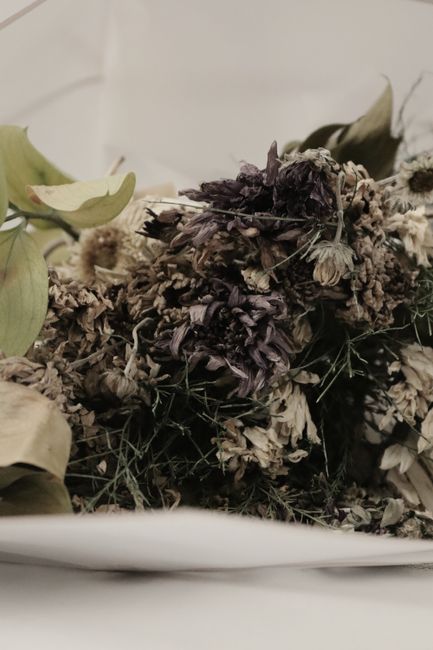
Fresh flowers are fragile by nature. A bouquet can look perfect when it leaves the florist and still arrive slightly stressed if it sits too long in a warm van, gets boxed badly, or spends more time than it should in a hallway before being received. In Palmers Green, where deliveries may move through busier North London roads and variable building access, small delays can become visible very quickly.
Why does that matter? Because a bouquet is not just a product. It is a moment. A birthday surprise, an apology, a thank-you, a sympathy gesture, or a wedding detail. If the flowers arrive wilted, the feeling changes. The gift can still be appreciated, of course, but the impact is weaker.
It also matters commercially. If you are comparing florists, you are not only comparing stems and vase life. You are comparing how well a business manages freshness, route planning, substitutions, and communication. That is the real difference between an average flower order and one that feels carefully handled from start to finish.
Expert takeaway: the best way to avoid wilt and delays is not one single trick. It is a chain of small decisions made before, during, and after dispatch. Miss one link and you may notice it in the petals within hours.
There is also a seasonal angle. Hot spells, sudden rain, and colder winter mornings all affect flowers differently. A bouquet that would normally travel well in early spring may need extra protection in July. Likewise, festive periods can add pressure to delivery schedules. If you are planning around a busy date, the margin for error gets thinner.
How Insider tips avoiding wilt and delays in Palmers Green bouquets Works
At its core, avoiding wilt and delays is about controlling the flower journey. The bouquet needs to move from cooling, to packing, to transport, to doorstep, and finally to water as efficiently as possible. Each stage has a job to do.
1. The flowers need to start in good condition
No delivery system can fully rescue flowers that were already overheated, dehydrated, or incorrectly conditioned. Good florists trim stems, hydrate blooms, and store flowers at appropriate temperatures before arranging them. You want a bouquet that starts strong, because freshness compounds. Fresh in, fresher out. Simple, but true.
2. Packaging needs to protect, not suffocate
Proper packing keeps stems supported and reduces movement in transit. At the same time, the arrangement should not be sealed so tightly that the flowers overheat or trap condensation. This is where experience matters. A bouquet is delicate, but it still needs breathing room.
3. Timing has to match the delivery method
Same-day, next-day, and standard deliveries each suit different needs. If you are sending flowers for a specific time, you need a service that can genuinely handle that time window. If not, you risk the awkward "they should be there by now" message. Nobody wants that little knot in the stomach when the phone stays silent.
For practical planning, it helps to think of the bouquet like a perishable parcel rather than a general gift. The best delivery services are clear about cut-off times, area coverage, and handling expectations. If those details are vague, that is a warning sign.
For customers wanting a reliable local order, it can help to look at options like flower delivery in Bowes Park or a trusted local florist in Bowes Park if they match the route or service area you need. The point is not just convenience; it is reducing the number of handovers and unknowns.
Key Benefits and Practical Advantages
When you manage flower freshness and delivery properly, the payoff is obvious. The bouquet looks better, lasts longer, and lands with the effect you intended. But there are a few less obvious benefits too.
- Better vase life: flowers that are handled correctly before dispatch often hold up longer once they are in water.
- More reliable gifting: a bouquet arriving on time keeps the emotional moment intact.
- Less waste: fresher flowers usually mean fewer disappointing replacements and fewer stems lost too early.
- Improved value: if a bouquet stays beautiful for several days, it feels like better value even if it was not the cheapest option.
- Less stress: knowing the delivery is properly managed takes a lot of pressure off the sender.
There is a local practicality here as well. If a recipient lives in a flat, on a narrow road, or in a building with awkward access, a florist who understands the area will have an easier time delivering without delay. That is not glamorous, but it matters. A lot.
And yes, a higher-quality service may cost a bit more than a cut-price arrangement, but cheap flowers that arrive late or tired often end up being poor value anyway. If you want a budget-conscious option, it is still worth checking whether the florist offers cheap flowers in Bowes Park alongside freshness-focused handling and clear delivery information.
Who This Is For and When It Makes Sense
This approach is useful for just about anyone sending flowers, but it is especially helpful if one of the following applies.
- You are ordering for a birthday, anniversary, or apology and need the timing to land well.
- You are sending flowers to a workplace, school, care home, or apartment with access instructions.
- You are choosing same-day or next-day delivery and want to avoid rush-hour risk.
- You are buying seasonal blooms that can be more sensitive to heat or travel.
- You have had a past delivery arrive later than expected and do not want a repeat.
It also makes sense if you are ordering from outside the area and want flowers delivered locally without fuss. In those cases, clear delivery communication becomes a real trust factor. You are not there to check the van route yourself, after all.
For occasion-led orders, browsing a relevant collection can make selection easier and reduce last-minute decision stress. For example, a birthday bouquet or a sympathy arrangement often benefits from the right style being chosen quickly, without overthinking the details. If you are planning around a specific occasion, it may help to look at birthday flowers or funeral flowers if that better fits your needs.
Step-by-Step Guidance
Here is the practical part. If you want to avoid wilt and delays, follow a simple order process with a few checks built in.
Step 1: Choose the right delivery speed
Ask yourself when the flowers actually need to arrive. Same-day delivery is useful for urgent occasions, but only if the cut-off time fits your schedule. If the gift is not urgent, next-day or standard delivery may give the florist more time to prepare the bouquet properly.
A bouquet with a little more preparation time is often a safer bouquet. Not always, but often.
Step 2: Match the bouquet to the weather and recipient setup
Hot days call for more careful handling, and some flowers cope better than others. Likewise, if the bouquet will sit in a porch or communal hallway before being collected, choose something that travels well and is less likely to crisp at the edges. Roses, lilies, alstroemeria, carnations, chrysanthemums, and mixed florist-choice styles all behave differently, so choose with the destination in mind.
Step 3: Give clear delivery instructions
This is one of the biggest overlooked details. Include the recipient's full name, address, access notes, buzzer number, business hours if relevant, and any "do not leave with neighbour" or safe-place preferences. Small clarifications can save a lot of time. Honestly, this is where many delays start.
Step 4: Check substitutions and design flexibility
Seasonal stock changes happen. That is normal in floristry. A good florist will use substitutes that preserve the bouquet's colour balance and value. If you are particular about a colour scheme, ask whether the florist can work within that style while substituting stems sensibly. For example, a mixed pastel design may be easier to adapt than a tightly specified bloom-by-bloom order.
Step 5: Confirm care on arrival
Once the bouquet is received, the first 30 minutes matter. The stems should be placed in clean water, the wrap removed where appropriate, and the vase should be topped up as needed. If flowers arrive during a busy moment, even a short delay before watering can reduce vase life. You will notice it most with thirsty blooms on warmer days.
If you want a few extra options for delivery timing, same-day flower delivery and next-day flower delivery are worth comparing before you place the order. Different occasions suit different speed, and speed is not always the winner.
Expert Tips for Better Results
These are the little details that tend to separate a decent flower order from a really solid one.
Order earlier in the day
If you can, place same-day orders as early as possible. That gives the florist more room to build the bouquet carefully and route the delivery before the afternoon scramble. A 9:00 a.m. order is generally less pressured than a mid-afternoon one. It sounds obvious. Yet many people do the latter and hope for the best.
Choose flowers that travel well
Some blooms are more robust than others. A mixed florist's choice bouquet can be a smart option when freshness and resilience matter, because the florist can choose stems that are in strong condition that day. If you need something dependable, that flexibility helps.
Ask about hydration handling
For longer routes or warmer weather, ask whether the stems are kept hydrated right up to arrangement and dispatch. This is one of those behind-the-scenes details that customers rarely see, but it changes how the bouquet looks on arrival.
Keep scent and temperature in mind
Strong-scented flowers are lovely, but if the bouquet is going to a small office or a warm room, softer varieties may be more comfortable for the recipient. Likewise, avoid placing flowers in a hot windowsill after delivery. Sunlight is not always a friend here.
Use colour and style strategically
Sometimes the practical choice is also the nicest-looking one. White, pink, and mixed arrangements often feel versatile and can suit more occasions, while red and luxury styles may make a stronger emotional statement. If you are aiming for low-risk freshness plus visual impact, a balanced mixed-colour bouquet can be a very sensible choice.
And yes, a florist-choice design can be a bit like leaving the chef to make the best of the day's ingredients. If you trust the kitchen, you often get the better meal.
Common Mistakes to Avoid
Most wilt and delay issues are not dramatic disasters. They are usually the result of a few avoidable mistakes. Here are the big ones.
- Leaving the order too late: rushing removes choice and reduces preparation time.
- Using incomplete address details: missing flat numbers, postcodes, or gate codes can create avoidable delays.
- Ignoring cut-off times: not every florist can do every delivery window.
- Choosing delicate blooms for a difficult route: some flowers are simply less forgiving in heat or transit.
- Overlooking delivery instructions: "leave at the front" is not enough if the recipient is in a shared building.
- Picking purely by price: the cheapest option can become expensive if it arrives damaged or needs replacing.
- Forgetting the recipient's schedule: a bouquet delivered when nobody is there can sit too long before being brought inside.
One of the sneakiest issues is simply assuming everything will go perfectly. It might. But if you are sending flowers for an important moment, do not rely on luck alone.
Tools, Resources and Recommendations
You do not need specialised equipment to manage bouquet freshness, but a few practical tools and habits help a lot.
- A clear order note: keep addresses, postcodes, access details, and timing instructions in one place before checkout.
- Recipient contact awareness: if appropriate, make sure the florist has a workable phone number in case access needs clarification.
- Fresh clean vase: the recipient should ideally have one ready, washed, and filled soon after delivery.
- Sharp scissors or floral snips: useful for trimming stems at an angle before putting flowers in water.
- Cool indoor space: flowers last longer away from radiators, direct sun, and fruit bowls.
For ongoing flower care, a useful resource is the florist's own care guidance. If the website offers care instructions, that is worth reading before you send the bouquet. A straightforward page like flower care advice can save a lot of guesswork later.
It can also help to look at the florist's service pages for delivery promises, guarantees, and customer policies. These are not glamorous pages, I know, but they tell you how the business works when things are slightly less than perfect. That is when trust really shows.
If you value a service that is transparent about handling and customer expectations, it is worth reviewing practical pages such as delivery information, guarantees, and returns and refund policy. They help you understand what happens if an order is delayed or not quite right.
Law, Compliance, Standards, or Best Practice
For flower delivery, the main compliance focus is not legal complexity so much as consumer fairness and service clarity. In the UK, customers generally expect that goods are described accurately, delivered with reasonable care, and supported by clear terms if something goes wrong. Florists should be transparent about delivery timing, substitutions, refunds, and how they handle issues.
Best practice also matters. A reliable florist will usually make delivery conditions easy to understand, explain cut-off times, and set out what happens if the recipient is unavailable. If you are sending flowers for a sensitive occasion, such as sympathy or funeral arrangements, accuracy and timing become even more important. There is very little room for confusion there.
From a business point of view, handling flowers well means respecting freshness, hygiene, packaging standards, and customer data. That is why pages like privacy, terms, and accessibility matter. They are not just admin. They are part of a trustworthy service. If you want to know more about how a florist handles those basics, look at the relevant site policies, including privacy policy and terms and conditions.
And one practical note: for the recipient's sake, make sure the delivery instructions are lawful, sensible, and respectful of building access rules. No forcing doors, no risky drop-offs, no leaving arrangements in places where they will be damaged. It sounds obvious, but a good florist will care about that detail.
Options, Methods, or Comparison Table
Here is a simple comparison of common delivery approaches and how they affect wilt and delay risk.
| Option | Best for | Freshness risk | Delay risk | Notes |
|---|---|---|---|---|
| Same-day delivery | Urgent gifts, forgotten occasions, last-minute surprises | Moderate if booked late | Moderate | Works best when ordered early in the day and with precise details |
| Next-day delivery | Planned gifts that still need speed | Low to moderate | Low | Often a strong balance between preparation and timeliness |
| Standard delivery | Non-urgent gifting | Low | Low | Allows more preparation time, often better for custom requests |
| Florist's choice bouquet | When you want flexibility and freshness | Low | Low | Lets the florist use the freshest stems available that day |
| Highly specific custom bouquet | Exact colour or stem preferences | Moderate | Low to moderate | Beautiful, but sometimes less flexible if stock changes |
If your priority is reducing risk, the florist's choice route can be surprisingly effective. Not because it is vague, but because it allows better substitution and stem selection on the day. If your priority is a very specific look, custom can still be the right choice - just leave enough time.
Case Study or Real-World Example
Picture this: someone in Palmers Green needs to send flowers to a relative arriving home from hospital. The bouquet needs to look cheerful, arrive on time, and stay fresh through the rest of the day. Nothing too fussy, but definitely not tired.
They place the order early morning, choose a mixed arrangement that can handle travel, and add detailed delivery notes: full flat number, entry buzzer, and a request to call on arrival rather than ring repeatedly. They also avoid a complicated late-afternoon window, which is where small delays tend to snowball.
The bouquet arrives in good shape, with stems properly hydrated and packaging that protects the blooms without trapping heat. The recipient puts the flowers into water straight away. End result? Bright, upright flowers and a delivery that feels thoughtful rather than rushed.
Now compare that with the more chaotic version: a late order, vague address, delicate stems in hot weather, and no one available to receive the bouquet. The flowers might still arrive, but they are working uphill from the moment they leave the shop. You can probably guess which version goes better.
This is why the little choices matter so much. The best results are usually not a matter of luck. They are a matter of good habits, clear timing, and a florist who knows what they are doing.
Practical Checklist
Use this before you confirm the order.
- Check the delivery date and cut-off time.
- Confirm the full address, postcode, and access details.
- Choose flowers suited to the weather and travel distance.
- Decide whether same-day, next-day, or standard delivery is best.
- Include a phone number if contact on arrival may be useful.
- Review substitution and refund information.
- Read the care guidance for the bouquet on arrival.
- Keep the recipient's likely availability in mind.
- Choose a florist with clear delivery information and practical policies.
- Place the order early rather than leaving it until the last minute.
Quick summary: order early, give precise instructions, choose resilient blooms where needed, and keep an eye on delivery timing. Those four steps alone prevent a surprising number of problems.
Conclusion
Keeping Palmers Green bouquets fresh and on time is mostly about sensible planning, not complicated floral knowledge. The best insider tips avoiding wilt and delays in Palmers Green bouquets are the simple ones: give the florist enough time, choose the right delivery method, provide complete address details, and pick flowers that suit the occasion and conditions.
If you do those things, the bouquet has a much better chance of arriving with its colour, shape, and charm intact. And that is really the point, isn't it? You are sending a feeling, not just stems in a wrap.
For many people, the ideal next step is to compare delivery speed, read the care notes, and choose a bouquet style that fits the day rather than fighting it. A little care at checkout can save a lot of worry later.
Get a free quote today and see how much you can save.
When flowers arrive looking bright and well kept, the whole gesture feels warmer. That part never gets old.
Frequently Asked Questions
How do I stop a bouquet from wilting during delivery?
Choose a florist that hydrates stems properly, uses protective packaging, and dispatches the bouquet close to the delivery window. Ordering earlier in the day also helps.
Is same-day flower delivery more likely to cause problems?
Not necessarily, but it can if the order is left too late or the address details are unclear. Same-day works best when booked early and handled by an experienced local florist.
What flowers travel best if I am worried about wilting?
Roses, carnations, chrysanthemums, alstroemeria, and mixed florist-choice arrangements often travel well. More delicate stems may need extra care depending on the weather.
How much does delivery timing matter for bouquet freshness?
A great deal. Flowers are perishable, so even a short delay in hot conditions can affect how they look when they arrive. Timing is one of the biggest freshness factors.
What should I include in delivery instructions?
Full address, postcode, flat or unit number, buzzer code, business name if relevant, and any access notes. Clear instructions reduce the chance of delay.
Can I request a specific delivery window in Palmers Green?
Sometimes yes, depending on the florist's delivery schedule. It is best to check this before placing the order, because not every service offers exact time slots.
What is the best way to keep flowers fresh after they arrive?
Place them in clean water quickly, trim the stems if needed, keep them away from heat and direct sun, and follow any care notes provided with the bouquet.
Do florist-choice bouquets help avoid delays?
They can. Because the florist has more flexibility with available stems, the bouquet is often easier to prepare quickly without compromising quality.
What should I do if the flowers arrive late?
Check the florist's delivery information and contact them promptly with the order details. Reputable businesses usually explain how they handle delays or service issues.
Are cheaper flowers more likely to arrive wilted?
Not always, but lower prices can sometimes mean less flexibility in stem choice or presentation. The key is not price alone, but how the flowers are sourced, packed, and delivered.
Does weather really affect bouquet delivery that much?
Yes, especially heat. Summer warmth can shorten vase life if flowers are left too long in transit or in a warm doorway before being brought inside.
How far in advance should I order for an important occasion?
If the date matters, order as early as you reasonably can. That gives the florist room to prepare the bouquet properly and reduces the risk of last-minute delivery pressure.
If you want the safest route, think like a florist for a moment: give the flowers the best start, the easiest journey, and a quick arrival into water. That is usually where the magic is.